What Makes an Evening Feel Welcoming? A Visitor’s Perspective on Gangnam, South Korea
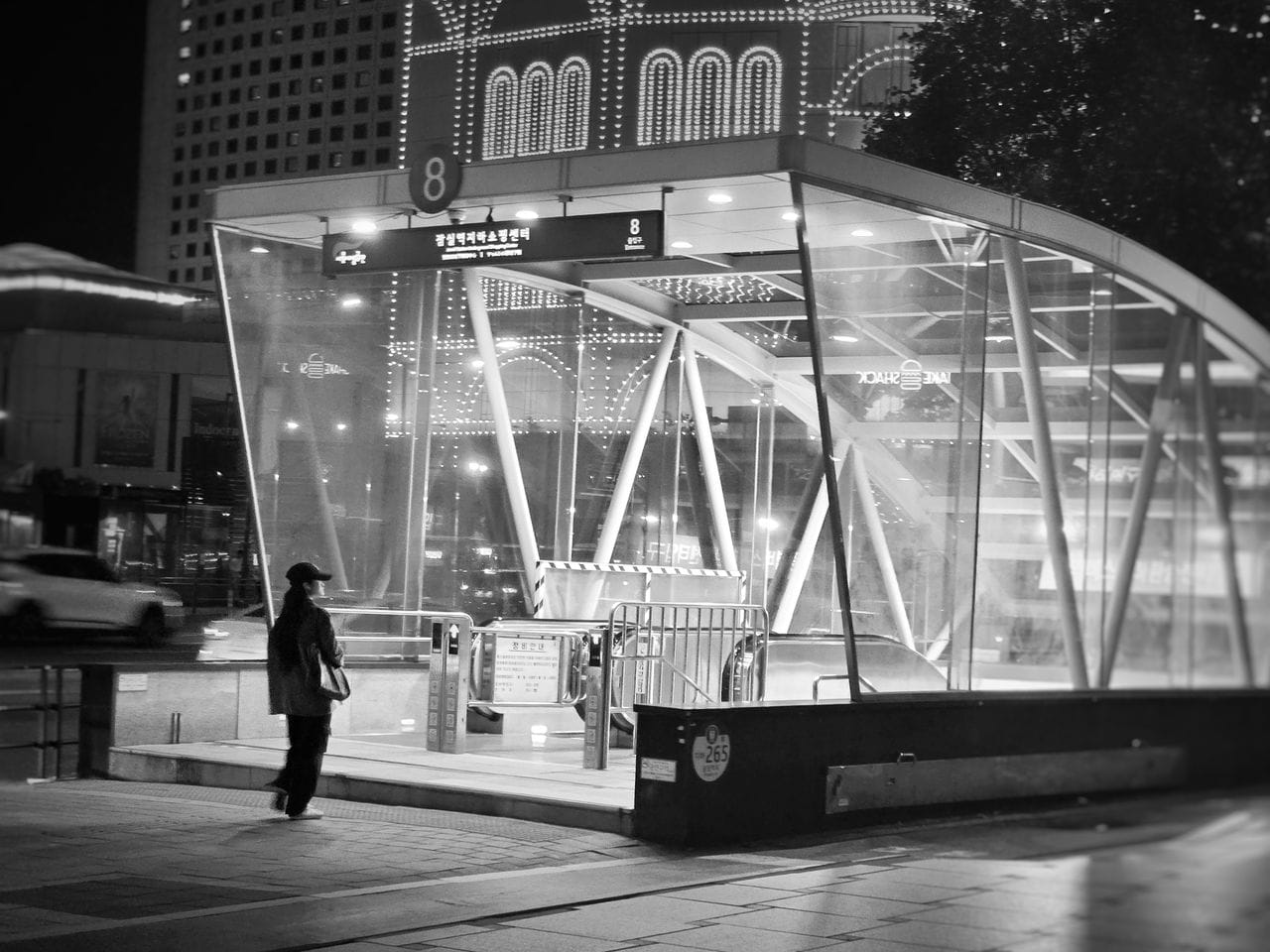
There is a difference between inviting someone out and making that person feel welcome. An invitation gives a time and a place. A thoughtful invitation also considers whether the guest understands the plan, feels comfortable with the setting, and can enjoy the evening without worrying about unspoken expectations. That distinction matters at home, but it becomes especially useful when people meet in an unfamiliar city.
Gangnam, in Seoul, South Korea, provides an interesting setting for thinking about these small details of hospitality. A visitor researching the district may encounter restaurants, public bars, karaoke rooms, nightclubs, and private nightlife lounges. These are different kinds of places, even when their photographs share the same polished tables and dramatic lighting. Understanding the differences is a better starting point than assuming that an attractive picture tells the whole story.
A city is more than the image we bring to it
People often arrive with an idea of a destination formed through films, music, advertising, or a friend’s account. That image can create curiosity, but it cannot explain every business or every person’s preferences. A city does not have one personality, and its residents do not all socialize in the same way.
For that reason, it is better to approach an evening in Seoul with questions rather than a ready-made cultural explanation. Some people want a lively atmosphere; others want space to talk. Some are interested in an adult nightlife setting, while others would rather meet over dinner and go home. None of these choices needs to stand for an entire country. They are individual decisions about leisure, comfort, and company.
Privacy is a preference, not a complete description
A separate room can appeal to a group that wants to remain together rather than sit among strangers. It can also make the arrangement easier to imagine before everyone arrives. But privacy is only one feature. It does not tell a guest what kind of entertainment is offered, how the service works, or what the evening will cost.
When researching a private lounge or bar, ask what the term means at that particular business. Is the space fully enclosed? Is it reserved for your group for a stated period? What services are included, and what is optional? A clear answer helps everyone decide whether the setting suits them. There is no need to turn unfamiliar terminology into a mystery when a practical explanation would do.
Useful information makes a better invitation
A host does not have to know every venue personally. It is reasonable to begin with guides, photographs, and publicly available details. The important step is to understand the limits of the source before passing the information on as a promise.
The Korean-language site 강남 일프로 offers one example of this research stage. It gathers photographs, location details, and room-related information for ten private lounges in Gangnam. The entries are arranged alphabetically, rather than presented as a verified league table. For a visitor, the guide can help identify places to investigate. It should not be mistaken for a firsthand review of each venue or confirmation that a particular room is available on a chosen evening.
The most considerate question may be the simplest one
Before choosing a venue, ask the people you are inviting what kind of evening they would enjoy. That conversation can be brief. Would they prefer a meal, a public bar, or a private-room setting? How late would they like to stay? Are there any access needs or preferences about noise and smoking that should influence the choice?
This is particularly important when an option involves adult entertainment. Describe the category plainly instead of assuming that everyone understands a translated label. An invitation should be easy to decline without embarrassment. The same principle applies when colleagues or clients are involved: familiarity with a city does not mean that a particular nightlife arrangement is appropriate for every professional relationship.
Comfort often lives in details that photographs miss
A beautiful room may still be inconvenient for the people using it. Seats can be too far apart for easy conversation. A table can take up more room than expected. Background music can be enjoyable for one guest and tiring for another. These are ordinary differences in preference, not signs that anyone is difficult to please.
Ask about the actual room being offered rather than relying on a general gallery. Confirm seating for the expected group and whether sound levels can be adjusted. If someone needs easier access, ask about the entrance and route to the room. A business’s total number of rooms is not the same as the capacity of one room, so it helps to keep those two details separate when reading a listing.
Clear spending arrangements protect the mood
Money becomes uncomfortable when people discover different assumptions after the evening has begun. One person may believe the host is paying for everything. Another may expect the group to share the bill. A third may have agreed to a price without realizing that certain items were outside it. These misunderstandings can be avoided before anyone leaves home.
For a private-room venue, request a quotation based on the intended date, group size, arrival time, and duration. Ask what is included and what could be added to the bill. Confirm deposits, changes, extensions, and cancellation arrangements where relevant. Share the spending plan with the group in straightforward language. This is not about making an evening feel like an accounting exercise; it is about removing a distraction from the time people spend together.
Give directions that work for a visitor
Someone who knows Seoul well may recognize a building or street from a short description. A visitor may need more. Save the Korean venue name, full address, floor, and entrance instructions together. Keep the original text alongside an English explanation so that a translation does not accidentally turn a name into an unrelated phrase.
If you use gangnamilpro.com while comparing locations, distinguish the individual venue details from the guide’s shared inquiry contact. Record which place you asked about and who confirmed the arrangements. Send guests the final destination rather than a collection of competing screenshots. Check the return journey as well, using current transport information for the time you expect to leave.
An inquiry is not yet a reservation
Travel planning can involve many short messages, and it is easy for enthusiasm to feel like confirmation. Asking whether a room is available does not necessarily reserve it. Receiving a general price does not always establish the final terms for a particular date. Keep the actual confirmation separate from the material used to research the outing.
A useful confirmation should make the essentials understandable: the chosen venue, date, arrival time, group size, room or arrangement if specified, and agreed payment conditions. If something remains ambiguous, ask a short follow-up question. It is better to clarify one sentence in advance than try to reconstruct several conversations at the entrance.
Leave the evening some breathing room
Good planning does not require controlling every moment. It should make it easier to relax once the group is together. Allow time for late arrivals, avoid packing too many stops into the schedule, and leave people free to finish earlier if they wish. Nobody needs to stay merely to prove that the invitation was appreciated.
There is also no obligation to turn a private evening into public content. Ask before photographing other guests or staff, and respect the venue’s rules. A pleasant memory can remain a memory. When attention stays with the people present, the evening has a better chance of feeling like time shared rather than an event performed for an audience.
Hospitality begins before the first drink
The most memorable part of an outing may not be the room, the lighting, or the name of the venue. It may be the sense that someone understood what would make the group comfortable. In a city such as Seoul, where visitors may be navigating unfamiliar language and business formats, that consideration can be expressed through very practical choices.
Explain the setting honestly, compare information carefully, agree on the cost, and make participation a choice. These are modest habits, but they give an invitation substance. A welcoming evening is not one that impresses everyone in the same way. It is one in which the people invited know what to expect and feel that their preferences have been heard.